
 bienvenue☆hei☆begroeten☆добро☆пожаловать☆willkommen☆benvenuto☆Прием☆welkom☆mottakelse☆υποδοχή



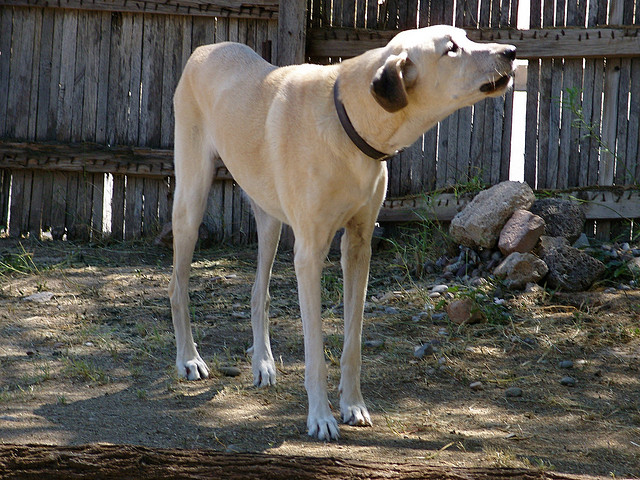

BAYING is a deep, melodic, and rhythmic vocalization—often described as a mix between a bark and a yodel—mostly produced by scent hounds like Beagles, Basset Hounds, Bloodhounds, and Coonhounds.
Key Reasons Dogs Bay
- Tracking and Locating Prey: Dogs bay primarily during a hunt to announce that they have picked up the scent of or are actively pursuing quarry (such as a rabbit, deer, or raccoon).
- Acoustic Beacon for the Pack and Hunters: The long-reaching, resonant sound acts as a beacon. It lets human hunters and other pack members know the dog’s exact location, the freshness of the scent, and how close they are to the target.
- Overcoming Olfactory Fatigue: In a pack, taking turns baying allows dogs with working nasal receptors to lead and vocalize while temporarily fatigued or overwhelmed dogs can rest their noses without losing track of the group’s movement.
- Genetic Purpose: Baying is an instinctive behavior hardwired through selective breeding, and according to discussions on platforms like Reddit, hound breeds possess specialized laryngeal traits that help them project this distinct horn-like sound.
How Baying Differs from Barks and Howls
- Barks: Short, sharp, and usually tied to immediate alarms, warnings, or basic attention-seeking.
- Howls: Longer, continuous, and single-toned noises used for social contact, separation distress, or answering high-pitched triggers like sirens.
- Bays: Rhythmic, multi-toned, and burst-driven vocalizations that combine elements of both.








































































If you don’t know where you’re going, any road will take you there. – Cheshire Cat

Paws N Reflect – Reigning CATs N DOGs since 2003
Our Mission is to Inspire Inform N Entertain
Copyright © 2003-2026. All rights reserved



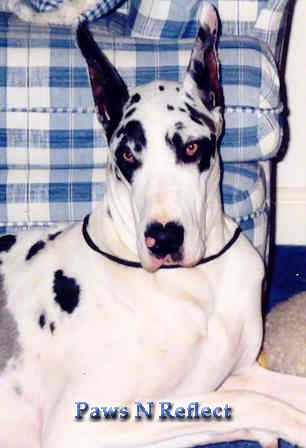

























 "Owning a dog is not just a privilege; it’s a responsibility. They depend on us for, at minimum, food and shelter, and deserve much more. When you take a dog into your life, you need to understand the commitment that dog ownership entails." ~ AKC

 Adopted Pets are the best pets you can have. Most adoptable pets come from loving homes that simply cannot care for them anymore. Or they are strays who’ve been on their own without the loving care they deserve. ― Josh Duhamel